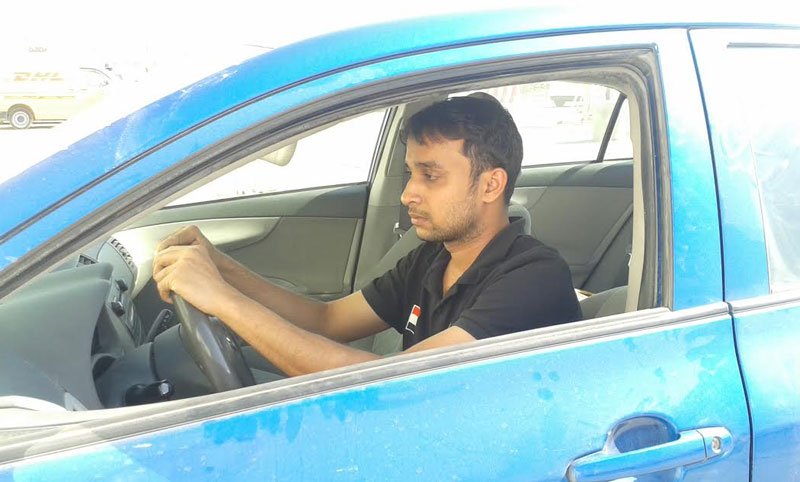

In a landmark judgment aimed at improving road safety and professional standards, the High Court of Bangladesh has mandated a minimum Secondary School Certificate (SSC) level education as a requirement for obtaining professional driving licenses in the country.
Minimum SSC level education for Drivers fix BD High Court. High Court on Monday asked the government to make secondary level pass the minimum educational qualification for obtaining a licence of driving a motorised vehicle.
The Verdict
The ruling comes after years of growing concern over the poor driving standards, rising road accidents, and lack of accountability among commercial vehicle drivers. The High Court bench stated that ensuring a basic level of education is critical to understanding traffic laws, road signs, and safety protocols—especially for drivers operating public transport and heavy vehicles.
Background and Context
Bangladesh has one of the highest rates of road traffic accidents in South Asia. Experts have long pointed to a combination of untrained drivers, lack of awareness, and low literacy levels as key contributors. Most professional drivers in the country enter the workforce without formal education or basic literacy, which makes it difficult for them to read road signs, comprehend driving manuals, or follow legal procedures.
In response to these issues, the court ruled that from now on:
“No individual will be granted a professional driving license without having passed the SSC examination or equivalent.”
This ruling applies to new applicants and may be gradually enforced for existing license holders through renewal conditions.
Implications
1. Improved Road Safety
Educated drivers are more likely to understand and obey traffic rules, improving safety for both passengers and pedestrians.
2. Professionalization of the Sector
The decision is a step toward elevating driving to a more respectable and structured profession, potentially opening doors for better wages and job benefits.
3. Challenge for Existing Drivers
For many current drivers without formal education, the decision may pose difficulties. However, the court has suggested setting up adult education or equivalency programs to help them meet the new criteria over time.
Reactions
Transport unions and civil society organizations have expressed mixed reactions. While some welcomed the decision as a progressive move, others voiced concern over its immediate impact on thousands of drivers who lack formal education.
“We agree that education is essential, but the government should also help us with training and support programs,” said a spokesperson for a Dhaka-based transport workers’ union.
Government’s Role
The government has been directed to:
- Set up SSC equivalency programs and basic literacy courses for existing drivers.
- Enforce the rule with a grace period and phased implementation.
- Ensure affordable access to adult education, especially for those in rural and low-income areas.
Bangladesh Drivers Education Qualification
The HC bench encompasses judges Zinat Ara and AKM Sahedul Haq also asked the government to increase the punishments for violation of traffic rules.
The bench gave government five years to implement the order.
The court order, issued during hearing of a writ, also includes introduction of effective traffic system on highways, expulsion of roadside structures, building road dividers and underpasses. It also asked the authorities to scrape the condition that allows setting up structures within 10 metres from high way.
A total of 11 people were killed in a road accident on 5 February 2011. This news appeared on a newspaper next day. Human Rights for Peace Bangladesh, a non-government organisation, took the issue to notice and filed a writ petition. Advocate Manzil Morshed stood for the petitioner. HC delivered judgement after ending hearing of the writ.
Conclusion
This historic High Court ruling marks a significant shift in Bangladesh’s approach to road safety and transport policy. While it presents challenges for uneducated drivers, it sets a clear path toward a more professional and safer transportation system in the long term.
About Author